Recycling and Sustainability for Driveway Sealing
Our approach to driveway sealing focuses on reducing waste, reusing materials and lowering carbon emissions. Whether we are working on driveway sealing, driveway sealant application or sealing driveways for residential sites, the core aim is to deliver durable results while protecting the environment. This page explains targets, daily practices, and community partnerships that make our sealing projects greener.Commitment to low-waste sealing
We set clear goals for every job: from material ordering to the removal of old sealant, each step is audited to minimise landfill. We commit to segregating materials on-site and ensuring clean aggregates, metal drain covers and usable paving stones are reclaimed. Our corporate recycling percentage target is a measurable part of every contract and operational plan.
Recycling percentage target
Target: 75%+ recycling and reuse of non-hazardous materials from driveway sealing projects within the first 24 months of our programme. This target covers broken paving, clean stone, metal fixtures and packaging. For hazardous residues (e.g. spent solvents), we follow local authority guidance for safe disposal and treatment to avoid contamination of soil and water.Our waste hierarchy follows reduce, reuse, recycle. On-site separation mirrors many boroughs’ approach to waste separation — glass, paper/card, food organics and garden waste are kept distinct and hazardous items logged separately. We work with local transfer stations and household recycling centres to deposit sorted streams, preserving the integrity of recyclable materials and complying with borough recycling standards.
Local transfer stations and recycling routes
We regularly use community transfer stations and accredited civic recycling facilities to process materials from sealing driveways. Typical flows include:
- clean aggregate and crushed concrete -> reprocessed for sub-base reuse;
- metal drainage covers and fixings -> sent to metal recycling yards;
- cardboard and plastic packaging -> routed to municipal sorting for recovery.
Partnerships with local charities and social enterprises are central to how we handle surplus materials. Where possible, we donate usable pavers, timber battens and clean stone to community projects, allotment groups and environmental charities. These collaborations keep good materials in circulation and support neighbourhood sustainable rubbish gardening areas and urban greening initiatives.
Sustainable rubbish gardening area
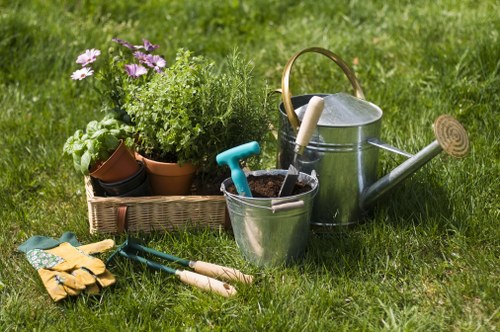
A sustainable gardening area uses reclaimed paving for paths, compacted crushed concrete for weed-reducing bases and remaining topsoil mixed with composted green waste. We encourage clients to set aside a corner of the garden for a rubbish gardening area — a managed compost and reuse zone where organic and inert recycled materials can be turned into useful landscaping resources.To support community green spaces, our teams coordinate collections of surplus topsoil and clean aggregates for community gardens. These efforts both reduce disposal needs and help create low-cost landscaping supplies for charitable projects and borough planting schemes.
We also prioritise operational carbon reduction. Our fleet is transitioning to low-carbon vans — a mix of fully electric models and Euro 6 hybrid/low-emission vehicles for longer-distance runs. These low-emission vehicles are used for transporting materials, waste collections to transfer stations, and supporting charity drop-offs with minimal local air quality impact.
Materials, handling and best practices
On every sealing project we maintain strict handling protocols: dust suppression during removal, immediate containment of liquids, and separated storage for reusable aggregates. Driveway sealant waste is minimised through careful measuring and application; leftover sealant is returned to secure containers and either reused or processed through authorised hazardous waste channels.![In the image, a young woman and a man are engaged in gardening activities in a well-maintained outdoor garden space during daytime. The woman, seated on the grass, has long brown hair tied back and is smiling while holding a small potted plant, dressed in casual summer clothing. The man, crouched beside her with a straw hat and gardening gloves, is also smiling and appears to be preparing the plant for planting. The garden features a lush, green lawn with dense shrubbery and blooming flower beds containing various colorful flowers, including purple and pink blossoms. In the background, mature trees with light filtering through their leaves provide a natural canopy, creating a bright and inviting environment. The scene suggests a peaceful outdoor setting typical of a residential garden in the UK, with natural sunlight casting soft shadows across the space, highlighting the textures of the soil, plant foliage, and garden tools visible nearby. The environment reflects a commitment to gardening and outdoor maintenance, consistent with services offered by Driveway Sealing and local gardening professionals. The overall composition emphasizes outdoor leisure, plant care, and sustainable garden practices in a typical UK garden landscape in [POSTCODE], [TOWN].](/pub/_photos/gardening/f1996693312.jpg) Our sustainability reporting is transparent: teams log tonnes diverted from landfill and items donated. We publish an annual summary showing progress against the recycling percentage target, vehicle emissions reductions and quantities passed to local transfer stations and charities. This transparency helps local authorities, clients and community partners understand our environmental performance.
Our sustainability reporting is transparent: teams log tonnes diverted from landfill and items donated. We publish an annual summary showing progress against the recycling percentage target, vehicle emissions reductions and quantities passed to local transfer stations and charities. This transparency helps local authorities, clients and community partners understand our environmental performance.
Working with local boroughs and community standards
We align operational practice with borough recycling schemes and municipal rules for waste separation. Many boroughs require clear segregation of glass, paper, garden waste and food caddies — we match those requirements on-site to keep municipal streams uncontaminated and maximise local recycling rates.How residents benefit
Clients receive a summary sheet after each project showing what was reused, recycled and donated, and tips for maintaining the sealed driveway in ways that reduce future waste. Simple actions — such as keeping drains clear, avoiding solvent spills and storing leftover aggregate for patch repairs — extend surfacing life and reduce repeat interventions.In summary: our approach to driveway sealing and surface care blends practical waste separation, strong recycling percentage targets, trusted transfer station routes, charitable partnerships and a move to low-carbon vans. Together, these steps build durable, low-impact surfacing solutions and support sustainable rubbish gardening areas and community greening schemes throughout the boroughs we serve.